We’ve all been there. You’re driving home after a long shift, or perhaps heading out for a weekend trip, and the sun dips below the horizon.

Suddenly, the road transforms. What was a clear path hours ago is now a chaotic gauntlet of piercing LED “lumen-cannons” and disorienting reflections.
If you feel like you’re squinting more than you used to, you aren’t alone. And it isn’t just “old age.”
The Modern Road: A Perfect Storm for Vision
Night driving has become objectively more dangerous over the last few years. While automotive technology has improved, it has created a secondary crisis for our eyes:
-
The LED Arms Race: Modern headlights are 40% brighter than the halogens of a decade ago. While they help the other driver see, they create a “white-out” effect for everyone else on the road.
-
The “Blind Second” Phenomenon: At 60 mph, your car travels 88 feet per second. If you are blinded by an oncoming SUV for just two seconds, you’ve effectively driven half a football field with your eyes closed.
-
The Wet-Road Mirror: In rain or fog, asphalt acts like a black mirror, bouncing glare from streetlights and high beams directly into your retinas, causing “veiling glare” that hides pedestrians and debris.
By the Numbers: The Cost of Poor Visibility
Statistics from the National Safety Council and recent 2025 traffic studies highlight a sobering reality:
-
3x Risk: Although only 25% of driving is done at night, the risk of a fatal accident is three times higher after dark.
-
Reaction Lag: Glare recovery time increases significantly as we age. For a 40-year-old, it can take up to 10 seconds for vision to fully return to normal after being flashed by high beams.
-
Fatigue Factor: Your brain works overtime to “fill in the blanks” when you can’t see clearly, leading to the dreaded “night driving headache” and physical exhaustion.
Do “Night Glasses” Actually Work?
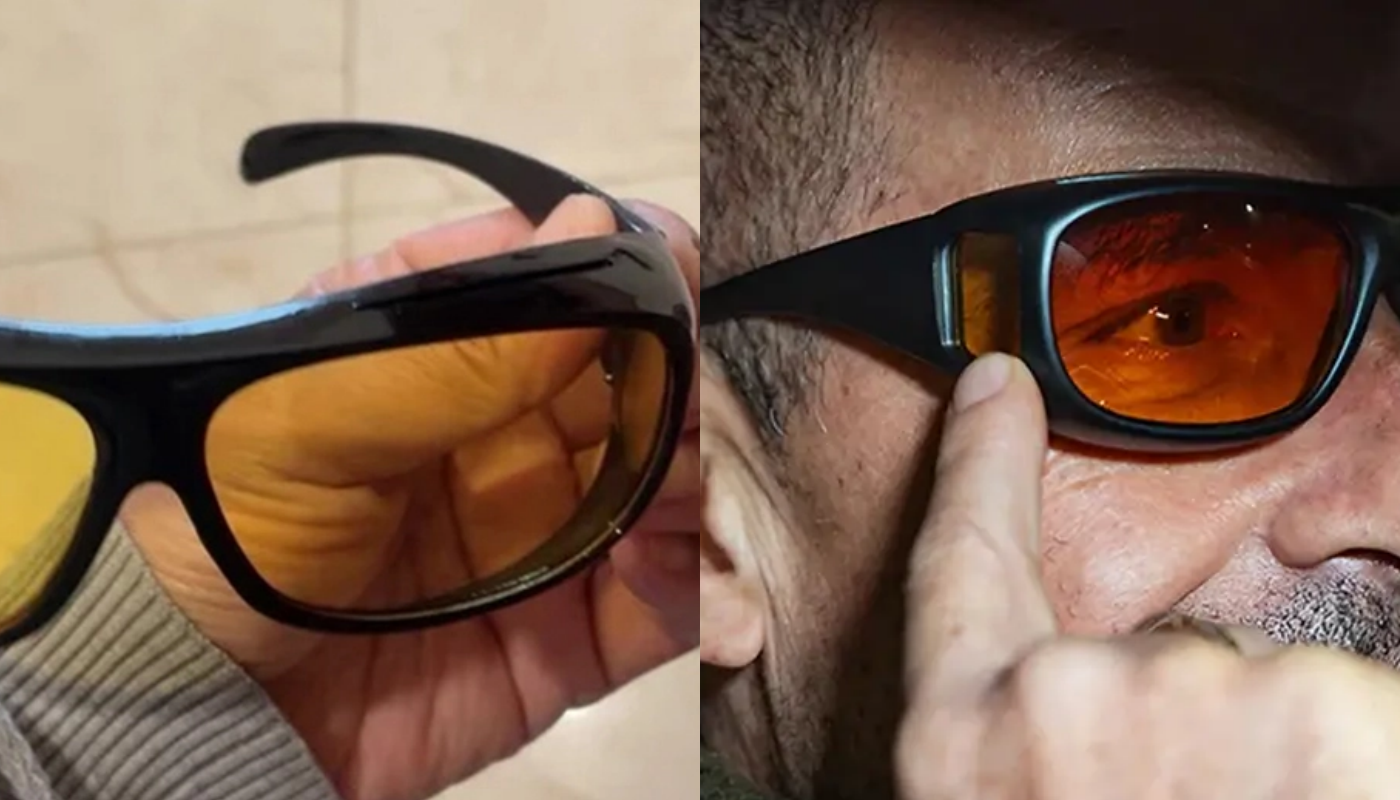
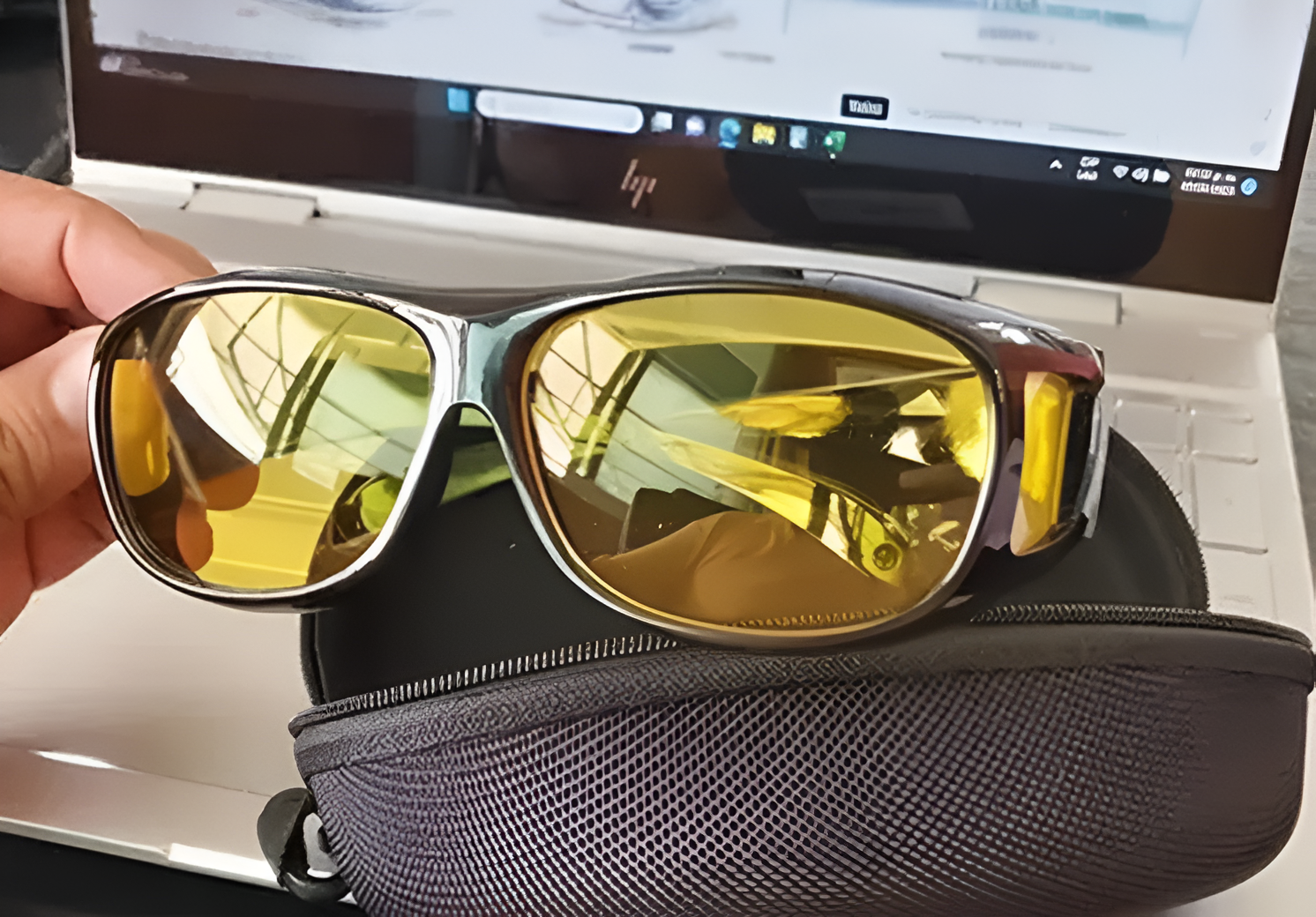
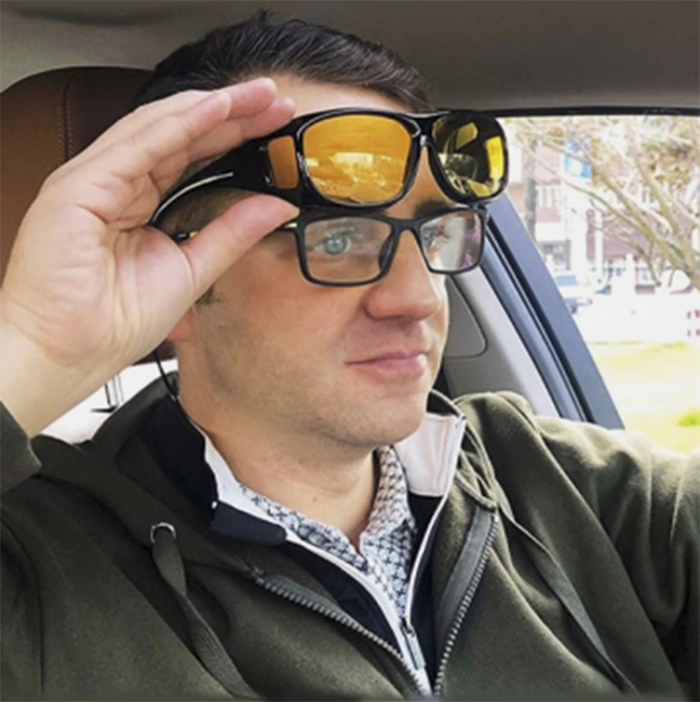
You’ve likely seen the ads for cheap yellow-tinted glasses promising to turn night into day. As a certified optician, I’ve seen patients waste hundreds of dollars on “as-seen-on-TV” gimmicks that actually make driving more dangerous by reducing total light transmission.
What did I look for in our 2026 testing? To find a legitimate solution, I didn’t just look for a yellow tint. I evaluated the 9 leading brands based on three non-negotiable safety pillars:
-
Selective Filtration: Does the lens neutralize the blue-light spectrum of LEDs without dimming the overall road?
-
Luminous Transmittance: Does it maintain a high enough VLT (Visible Light Transmission) to meet ISO safety standards for night use?
-
Visual Contrast: Does it make lane markings and “edge-of-road” obstacles pop, or does it just make everything look muddy?
Some looked convincing on the product page but fell apart the moment I tested them in real conditions.
A few helped in certain situations, but the tradeoffs were hard to ignore.
And one stood out for doing what most people really want when they start searching for a better solution: cutting blinding headlight glare without sacrificing road visibility.
Below are the night-driving glasses that made my shortlist, and the one pair that clearly outperformed the rest.


 Reviewed by Lex Dennison


 Neutralize Blinding High-Beams Instantly
 Not available in local big-box retail stores